
- Home page
- buying guide
- aeronautical titanium
aeronautical titanium
aeronautical titanium: A technical guide
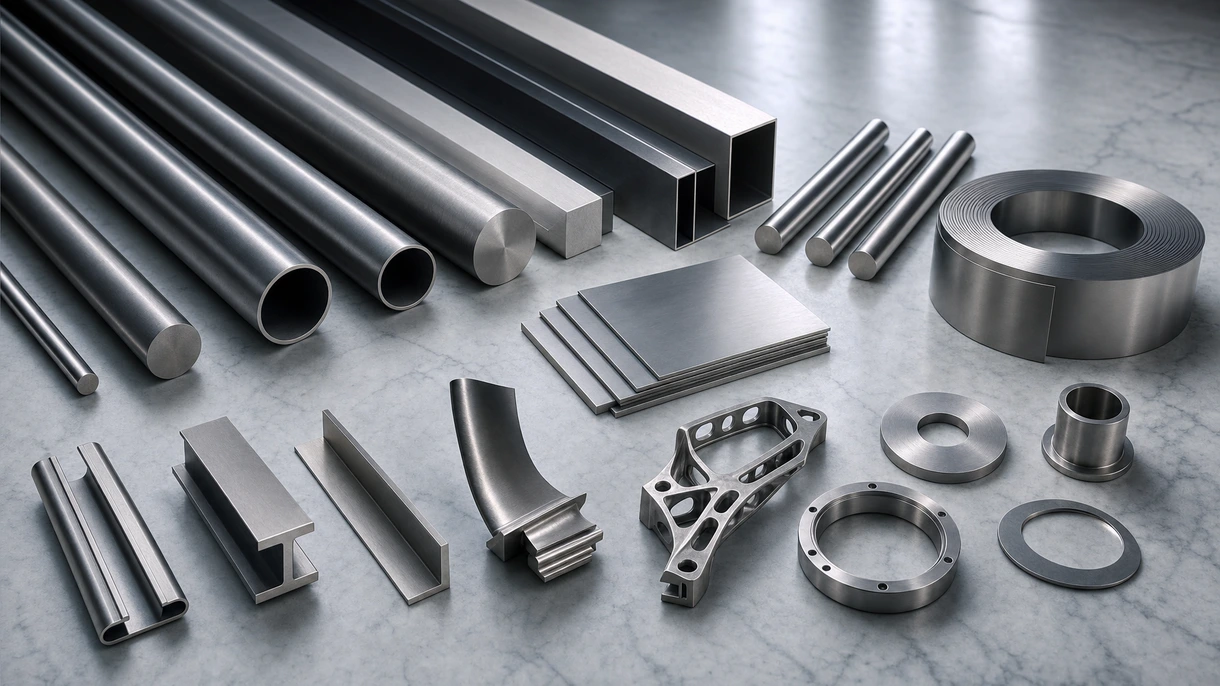
4 Criteria to choose your aeronautical titanium
Strength To Weight Ratio
Titanium provides exceptional tensile strength at low density, facilitating significant mass reduction for improved fuel efficiency in modern airframes.
Superior Corrosion Resistance
Natural oxide layers provide immunity to salt and moisture, eliminating heavy anti-corrosion coatings for long-term structural airframe durability.
Thermal Expansion Match
Low expansion rates ensure mechanical compatibility with carbon fiber composites, preventing fastener fatigue during extreme high-altitude thermal cycles.
Full Material Traceability
Compliance with AS9100 standards and heat lot tracking is mandatory to satisfy FAA and EASA safety certification requirements.
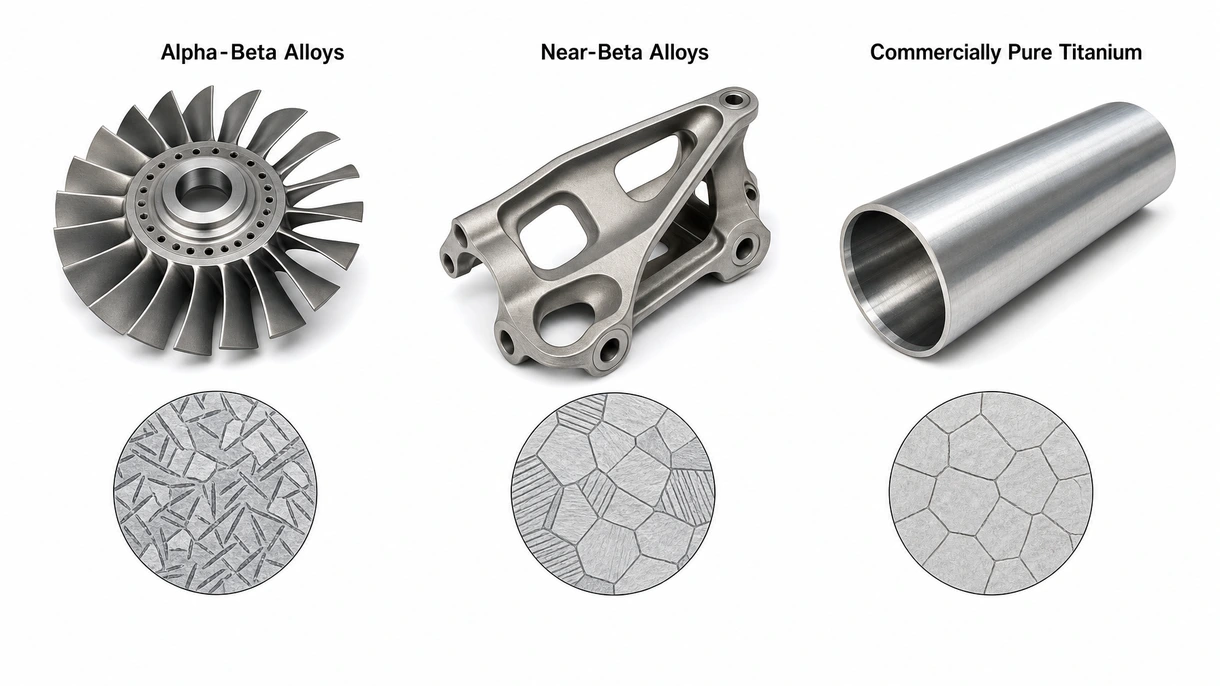
Available technologies and advantages
Alpha-Beta Alloys
Grade five titanium remains the global aeronautical standard, providing a superior balance of tensile strength and weldability compared to traditional aluminum alloys. It offers exceptional heat resistance and durability but involves high raw material costs and requires specialized high-pressure cooling during the machining phase.
Near-Beta Alloys
These advanced alloys deliver high hardenability and superior fatigue resistance required for massive structural components like landing gear and engine pylons. They provide unmatched mechanical performance in heavy sections but involve more complex heat treatment processes and higher density than standard alpha-beta grades.
Commercially Pure Titanium
Unalloyed titanium grades are selected for non-structural parts where maximum ductility and resistance to aggressive chemical hydraulic fluids are the priority. This family offers excellent formability and weldability for tubing systems but lacks the high-strength characteristics needed for primary load-bearing aircraft structures.
6 expert tips
Prioritize suppliers providing full AS9100 certification to ensure total traceability and compliance with international aerospace safety and quality standards.
Evaluate the total lifecycle cost by accounting for reduced maintenance requirements resulting from the inherent corrosion resistance of titanium.
Mandate ultrasonic inspection for all structural billets to detect internal defects that could compromise the integrity of critical parts.
Establish long-term procurement contracts to stabilize material costs and secure supply chains against volatile global market price fluctuations.
Optimize the buy-to-fly ratio by implementing near-net-shape manufacturing techniques to minimize high-value material waste during the machining process.
Always verify the technical certification to ensure compliance with local building safety standards and long-term durability.
Innovations and Trends
Significantly reduces material waste while maintaining mechanical properties required for complex structural aerospace parts.
Transforms titanium machining scrap into certified aerospace-grade secondary melt ingots for sustainable and cost-effective manufacturing.
Allow for lighter turbine blades capable of withstanding extreme thermal environments in the next generation of jet engines.
Ensures zero-defect quality control for additive manufactured titanium components during the high-speed industrial production cycle.
*Prices are pre-tax. They exclude delivery charges and customs duties and do not include additional charges for installation or activation options. Prices are indicative only and may vary by country, with changes to the cost of raw materials and exchange rates.
About AeroExpo
AeroExpo is a marketplace that offers B2B players a complete experience, from product sourcing to purchase. AeroExpo is an entity of VirtualExpo Group.
Are you a buyer?
Are you a supplier?