
- Home page
- buying guide
- instructional aircraft
instructional aircraft
instructional aircraft: A technical guide
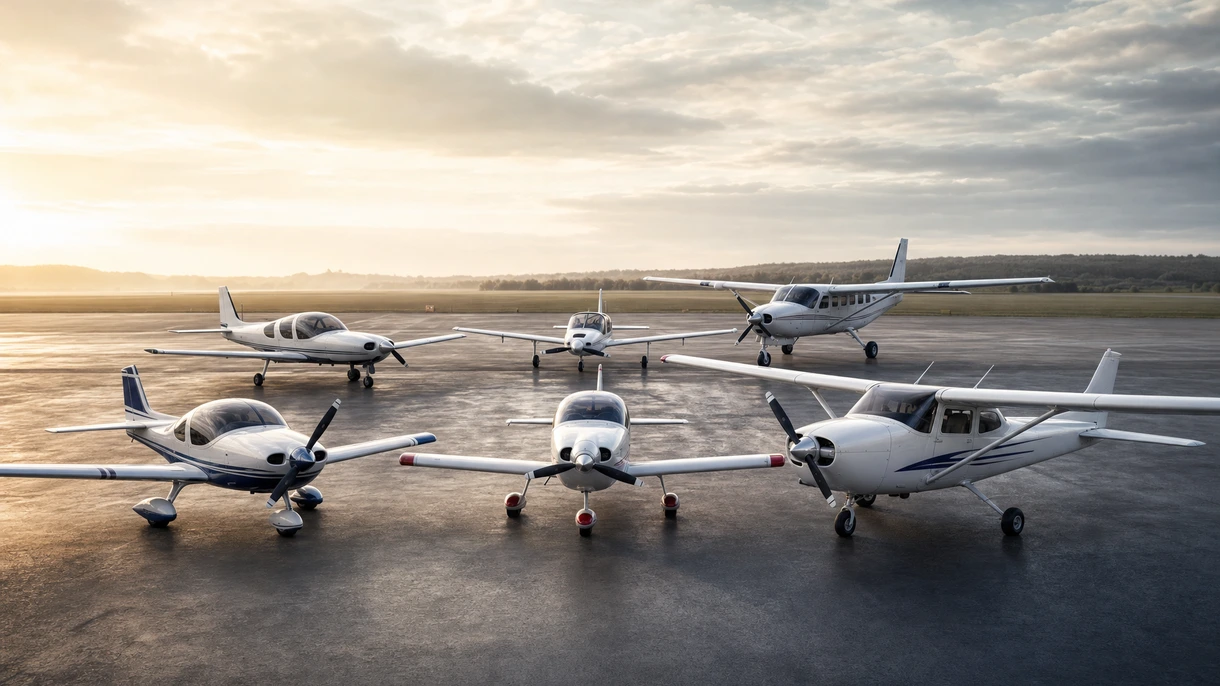
4 Criteria to choose your instructional aircraft
Low Operating Costs
Direct operating costs influence flight school profitability by reducing hourly maintenance and fuel expenditures during high-frequency training cycles.
Glass Cockpit Commonality
Modern avionics suites ensure students transition seamlessly to commercial flight decks by replicating standard airline navigation and communication.
High Fatigue Life
Robust airframe construction extends the operational lifespan through thousands of landings, ensuring long-term asset durability and safety.
International Certification Compliance
Full compliance with international airworthiness standards guarantees high resale value and unrestricted operational access to global airspace.
Available technologies and advantages
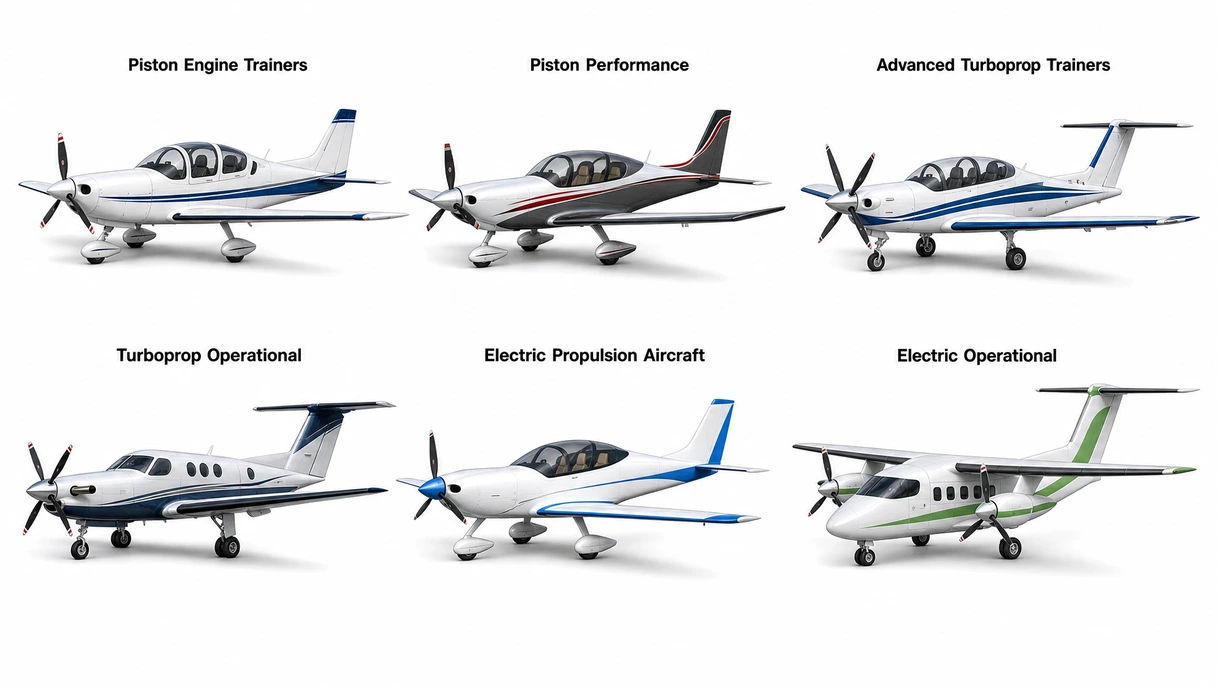
Piston Engine Trainers
Traditional reciprocating engines utilize leaded or unleaded fuels to provide reliable, cost-effective power for primary flight education while maintaining high availability.
Piston Performance Trade-offs
These systems offer low initial acquisition costs but suffer from higher carbon emissions and limited performance in high-density altitude environments.
Advanced Turboprop Trainers
High-shaft horsepower engines simulate jet handling characteristics for military and high-performance civil training, providing a seamless transition to complex turbine operations.
Turboprop Operational Trade-offs
Operators benefit from superior climb rates although they must manage significant fuel burn rates and expensive engine overhaul cycles.
Electric Propulsion Aircraft
Battery-powered motors offer zero-emission operation with significantly reduced noise profiles, which is ideal for flight schools operating near sensitive urban residential areas.
Electric Operational Trade-offs
Electric units provide extremely low energy costs while facing restricted flight endurance and current limitations in rapid charging infrastructure availability.
6 expert tips
Verify CS-XX or Part XX certification to ensure global airworthiness compliance and facilitate seamless cross-border fleet deployment.
Prioritize aircraft equipped with integrated flight data monitoring systems to proactively analyze student performance and mechanical stress.
Evaluate the manufacturer support network density across Europe and North America to minimize downtime during unscheduled maintenance.
Select airframes with modular avionics suites that allow cost-effective hardware upgrades as navigation and communication regulations evolve.
Assess the residual value history of specific models to optimize long-term asset depreciation and future fleet renewal.
Implement standardized ground-based training systems that synchronize perfectly with onboard software for maximum student learning curve efficiency.
Always verify the technical certification to ensure compliance with local building safety standards and long-term durability.
Innovations and Trends
Hydrogen fuel cell integration reduces carbon footprints while meeting strict endurance requirements for intensive daily flight training.
Augmented reality flight goggles enhance situational awareness by overlaying critical flight data onto the student's real-world view.
Predictive maintenance algorithms utilize real-time sensor data to identify component failures before they disrupt scheduled training blocks.
Sustainable aviation fuel compatibility ensures compliance with tightening environmental regulations while maintaining existing engine performance and reliability.
*Prices are pre-tax. They exclude delivery charges and customs duties and do not include additional charges for installation or activation options. Prices are indicative only and may vary by country, with changes to the cost of raw materials and exchange rates.
About AeroExpo
AeroExpo is a marketplace that offers B2B players a complete experience, from product sourcing to purchase. AeroExpo is an entity of VirtualExpo Group.
Are you a buyer?
Are you a supplier?