
- Home page
- buying guide
- electric test bench
electric test bench
electric test bench: A technical guide
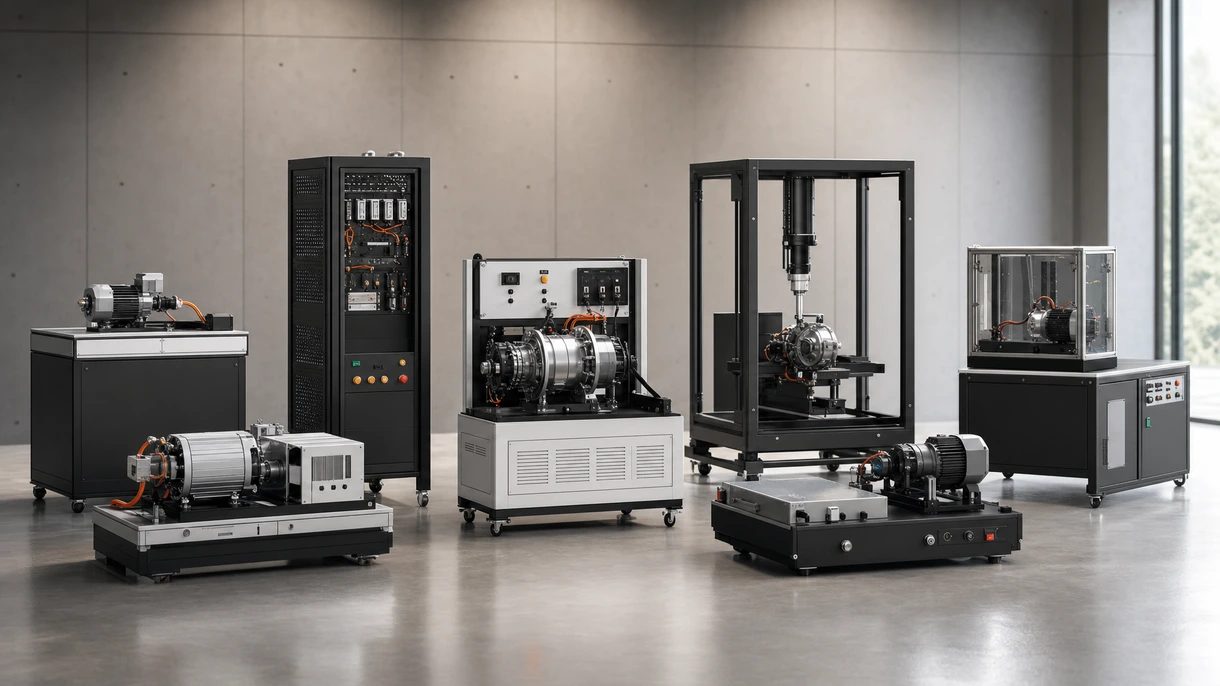
4 Criteria to choose your electric test bench
Certification compliance traceability
Ensures all testing protocols meet EASA and FAA airworthiness standards for safety-critical electrical distribution and power management systems.
High-frequency sampling rate
Captures transient power spikes and signal interference essential for validating fly-by-wire flight control electronics and sensitive avionics components.
Multi-voltage bus modularity
Accommodates diverse aerospace power architectures including 28VDC, 115VAC, and 270VDC for commercial and military aircraft platform integration testing.
Thermal management stability
Maintains precise temperature control during long-duration endurance trials to prevent component degradation and ensure repeatable performance data accuracy.
Available technologies and advantages
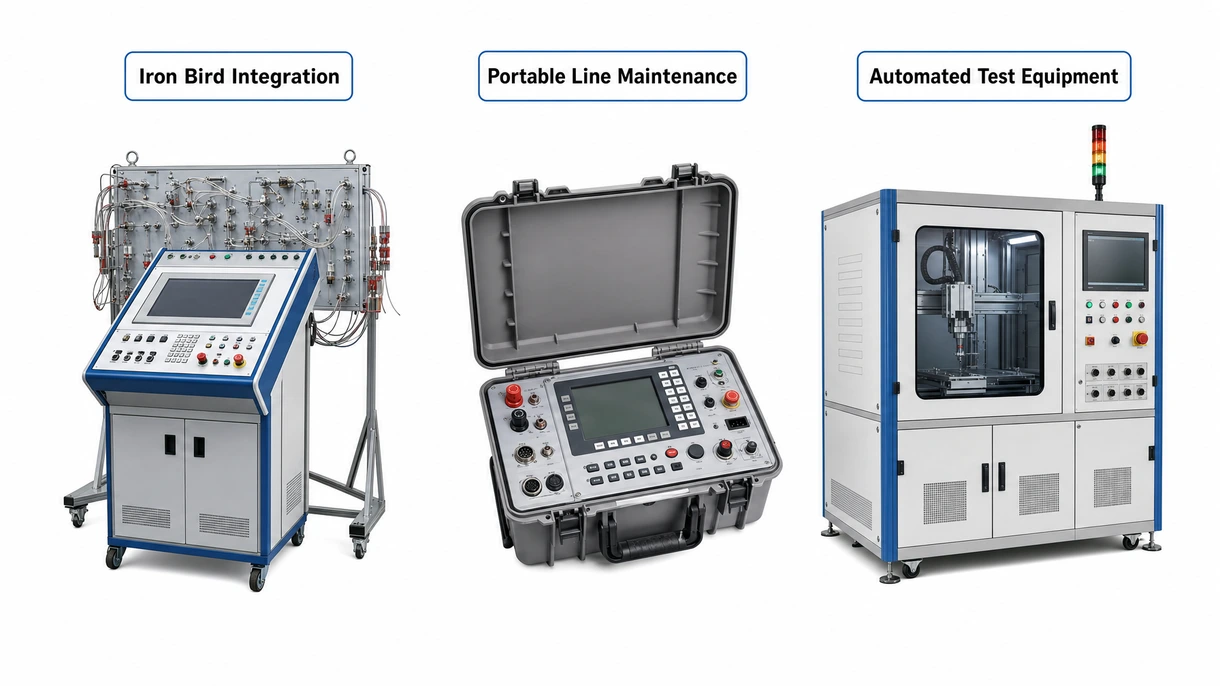
Iron Bird Integration
These rigs simulate entire power grids by linking physical actuators with flight dynamics to validate reliability during primary aircraft development phases. They offer unmatched certification realism but require extreme capital investment compared to software-only simulation tools.
Portable Line Maintenance
Lightweight diagnostic units provide flight-line technicians with rapid health monitoring for onsite electrical troubleshooting and component verification during ground turns. These facilitate rapid turnaround but lack the deep circuit analysis capabilities found in fixed laboratory or production environments.
Automated Test Equipment
Software-driven racks execute standardized sequences across high volumes of avionics units to ensure consistent quality and production throughput for manufacturers. They maximize operational repeatability despite significant initial engineering costs and specialized hardware requirements for diverse fleet integration.
6 expert tips
Prioritize modular hardware architectures that allow for seamless integration of future high-voltage propulsion testing as certification requirements evolve rapidly.
Mandate rigorous calibration protocols that align with international aerospace standards to ensure data integrity during mandatory safety audits.
Select systems featuring real-time data logging capabilities to facilitate predictive maintenance analysis and reduce unscheduled ground support equipment downtime.
Invest in universal interface adapters to minimize the variety of specialized cabling required for testing different aircraft interior electronics.
Incorporate cyber-secure firmware updates to protect sensitive flight control software during the bench testing and diagnostic validation process.
Always verify the technical certification to ensure compliance with local building safety standards and long-term durability.
Innovations and Trends
Real-time virtual mapping reduces physical testing cycles by thirty percent while maintaining full compliance with modern certification pathways.
Specialized modules for Silicon Carbide components enable the validation of next-generation electric propulsion systems reaching megawatt-level power densities.
Eliminating physical wire harnesses in test environments reduces setup time and prevents signal noise interference during sensitive avionics.
Machine learning algorithms identify latent electrical defects with ninety-nine percent accuracy before they manifest as critical inflight failures.
*Prices are pre-tax. They exclude delivery charges and customs duties and do not include additional charges for installation or activation options. Prices are indicative only and may vary by country, with changes to the cost of raw materials and exchange rates.
About AeroExpo
AeroExpo is a marketplace that offers B2B players a complete experience, from product sourcing to purchase. AeroExpo is an entity of VirtualExpo Group.
Are you a buyer?
Are you a supplier?