
- Home page
- buying guide
- catering truck
catering truck
catering truck: A technical guide
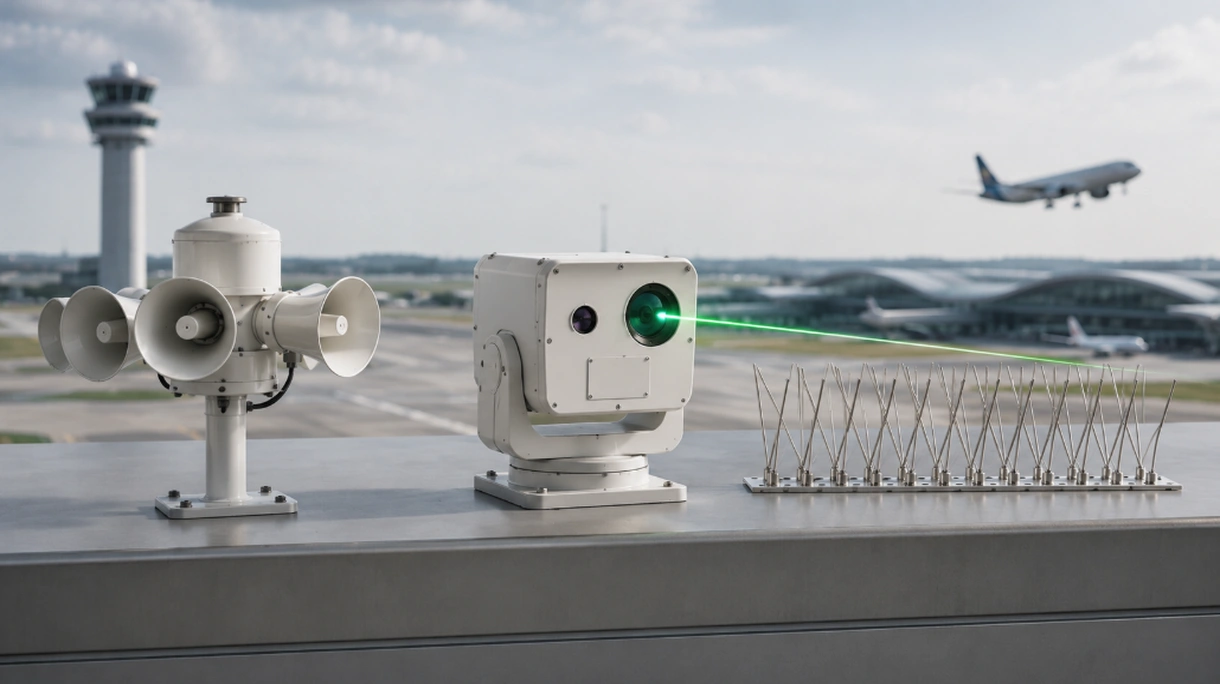
4 Criteria to choose your catering truck
Vertical lifting stability range
Hydraulic scissor lift mechanisms must maintain structural integrity under high-velocity wind loads to prevent fuselage contact during aircraft servicing.
Maximum payload volume capacity
Capacity must align with turnaround requirements for long-haul wide-body routes while respecting maximum axle weight limits on runway surfaces.
Fuselage proximity sensor integration
Advanced ultrasonic sensors and proximity docking systems are essential to eliminate ground-handling accidents and prevent costly damage to airframes.
Propulsion energy system efficiency
Selection between electric or Stage V diesel drives impacts operational expenditure and compliance with stringent airport carbon emission targets.
Available technologies and advantages
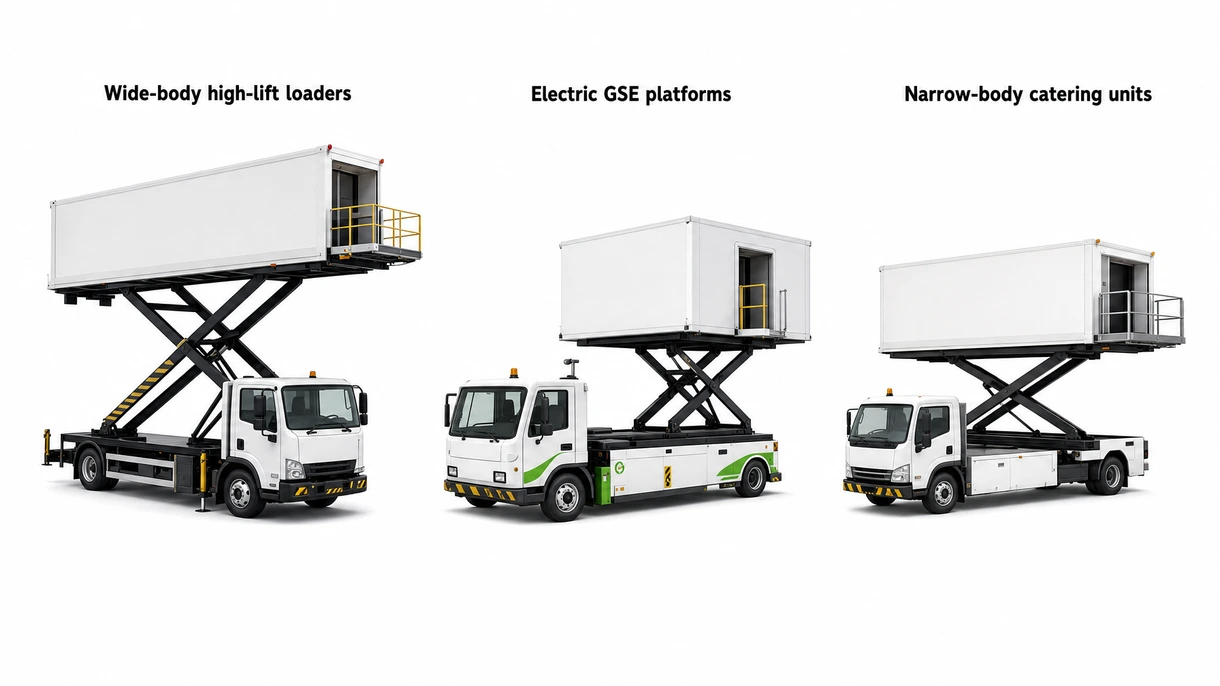
Wide-body high-lift loaders
These units utilize heavy-duty hydraulic scissors to reach upper decks of A380 aircraft with significant payloads. They offer unmatched height but suffer from increased footprint and slower deployment cycles. Advantages include universal aircraft compatibility, while limitations involve higher fuel consumption and maintenance complexity, requiring a trade-off between versatility and operational speed.
Electric GSE platforms
Battery-powered systems replace traditional combustion engines to reduce apron noise and carbon footprints in zero-emission zones. Advantages include lower maintenance and energy costs, though battery range remains a constraint. The primary trade-off involves high initial capital expenditure versus significantly lower long-term operating costs and improved environmental compliance.
Narrow-body catering units
Optimized for rapid turnaround times on single-aisle aircraft, focusing on agility and footprint reduction. These systems provide high reliability and lower costs but lack the reach for international wide-body operations. The trade-off centers on high-frequency operational speed and maneuverability at the expense of limited vertical range and lower volumetric capacity.
6 expert tips
Prioritize units with integrated three-dimensional proximity sensors to minimize airframe collision risks and reduce insurance premiums for ground operations.
Select electric drive systems to ensure compliance with future airport carbon mandates and decrease long-term maintenance overhead for fleets.
Evaluate hydraulic redundancy systems to prevent operational downtime and ensure safe platform lowering during critical component failures on aprons.
Verify thermal insulation efficiency of the van body to maintain cold chain compliance during extreme ambient temperature runway exposure.
Audit ergonomic control layouts for ground staff to accelerate loading cycles and improve overall safety during high-pressure turnaround windows.
Always verify the technical certification to ensure compliance with local building safety standards and long-term durability.
Innovations and Trends
AI-driven guidance systems enable millimetric precision during aircraft approaches, significantly reducing human error and increasing ground safety metrics.
Zero-emission hydrogen propulsion offers rapid refueling capabilities that surpass battery charging speeds for high-intensity airport catering operations worldwide.
Real-time data monitoring allows managers to track lift cycles and fuel efficiency, optimizing preventative maintenance schedules and availability.
Advanced aerospace-grade composites reduce vehicle weight, allowing for higher catering payloads without exceeding maximum permissible runway axle weights.
*Prices are pre-tax. They exclude delivery charges and customs duties and do not include additional charges for installation or activation options. Prices are indicative only and may vary by country, with changes to the cost of raw materials and exchange rates.
About AeroExpo
AeroExpo is a marketplace that offers B2B players a complete experience, from product sourcing to purchase. AeroExpo is an entity of VirtualExpo Group.
Are you a buyer?
Are you a supplier?