
- Home page
- buying guide
- 2-stroke piston engine
2-stroke piston engine
2-stroke piston engine: A technical guide
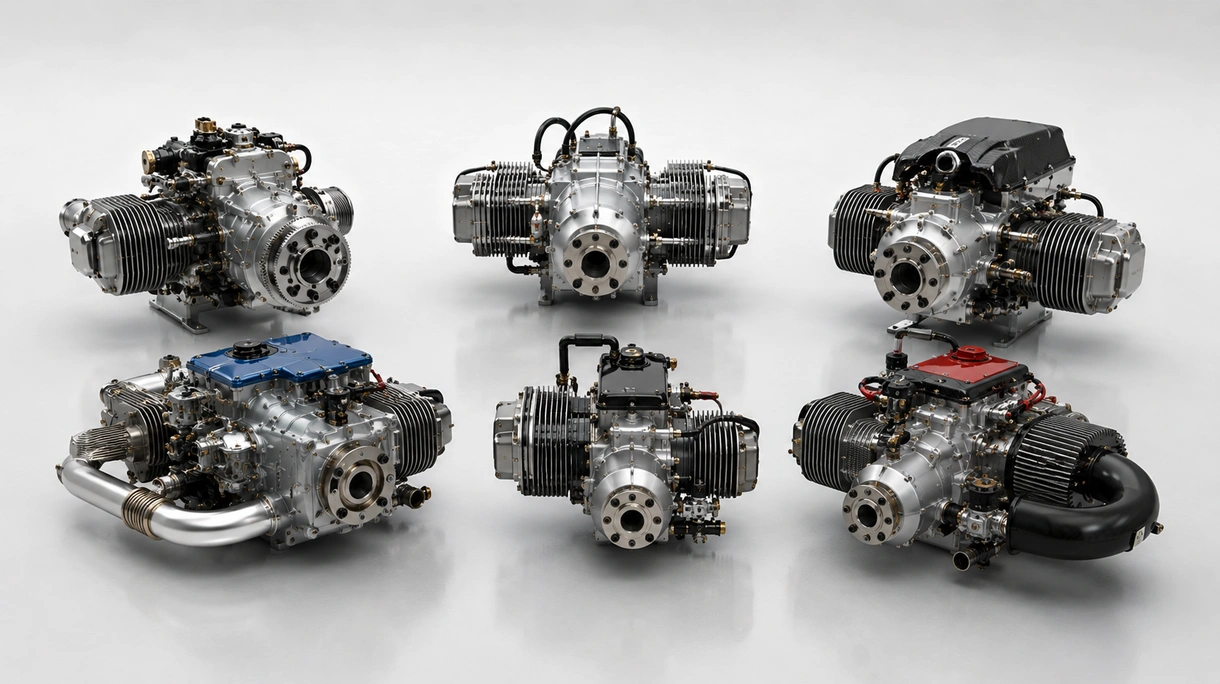
4 Criteria to choose your 2-stroke piston engine
Specific Power Density
High power output relative to mass is vital for maximizing payload and endurance in tactical unmanned aerial systems.
Fuel Delivery Precision
Advanced fuel injection ensures stable combustion across high-altitude thermal gradients and varying atmospheric pressures for reliable engine performance.
Operational Life Cycle
Time between overhaul metrics must align with mission profiles to ensure predictable maintenance costs and long term fleet availability.
Electromagnetic Interference Compliance
Shielding is necessary to prevent ignition system noise from disrupting sensitive onboard avionics, navigation, and critical communication links.
Available technologies and advantages
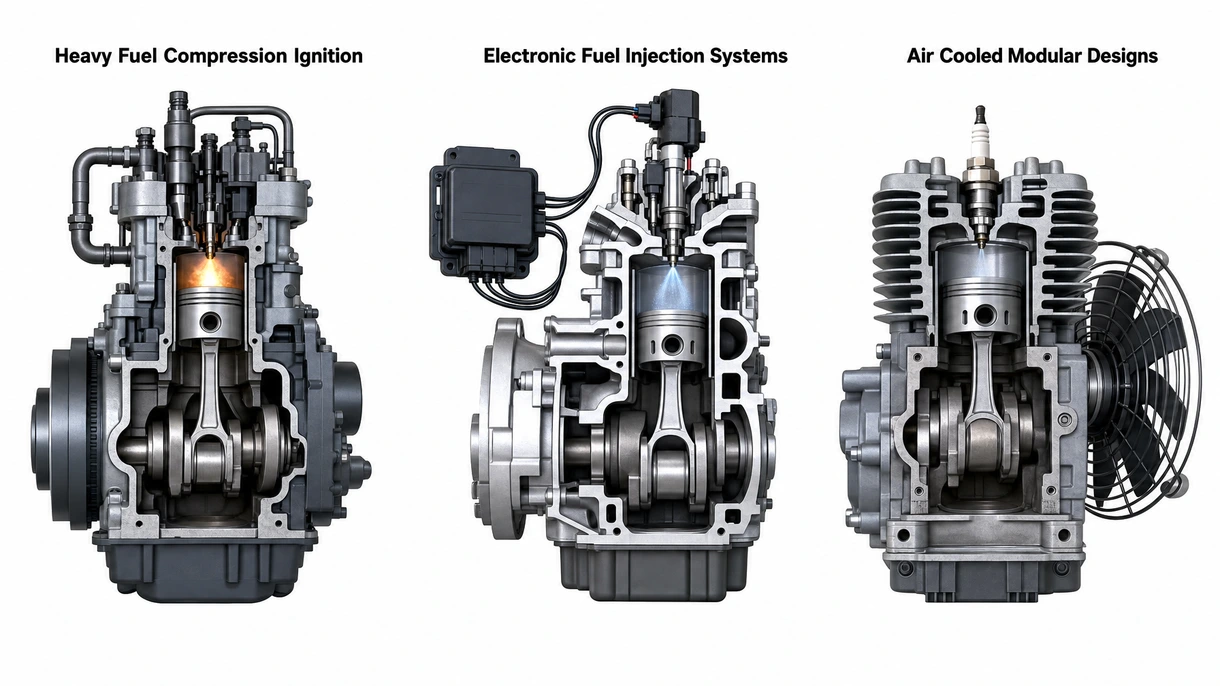
Heavy Fuel Compression Ignition
These engines utilize specialized injection to burn kerosene-based fuels, facilitating defense logistics. They offer superior safety over gasoline, though they demand robust cooling for extreme heat.
Electronic Fuel Injection Systems
Digital mapping optimizes fuel-to-air ratios in real-time, eliminating manual carburetor adjustments for varying altitudes and ambient temperature conditions. EFI improves reliability and reduces consumption, though complexity increases initial costs.
Air Cooled Modular Designs
Simplified cooling using external fins reduces weight and mechanical complexity, making these ideal for lightweight surveillance drone platforms. While weight is minimized, these engines are more susceptible to thermal stress.
6 expert tips
Maximize payload capacity by selecting high power density engines certified for military-grade unmanned aerial system flight envelopes.
Prioritize heavy fuel capability to ensure logistical commonality with existing supply chains across international defense operations.
Evaluate electronic fuel injection systems to maintain consistent performance and fuel efficiency across varying high-altitude atmospheric conditions.
Demand comprehensive data logging capabilities to facilitate predictive maintenance and reduce the risk of unforeseen mid-flight engine failures.
Verify the availability of global service support networks to minimize downtime and ensure rapid procurement of certified spares.
Always verify the technical certification to ensure compliance with local building safety standards and long-term durability.
Innovations and Trends
Coupling two-stroke engines with electric motors enables silent cruise modes and peak power assistance for tactical takeoff maneuvers.
Using additive alloys for cylinder heads reduces weight while optimizing internal cooling channels for improved thermal management.
Internal thermal barrier coatings extend component life by reducing friction and heat transfer to critical structural engine parts.
Engineering combustion chambers for carbon-neutral fuels ensures compliance with tightening European environmental regulations and future sustainability mandates.
*Prices are pre-tax. They exclude delivery charges and customs duties and do not include additional charges for installation or activation options. Prices are indicative only and may vary by country, with changes to the cost of raw materials and exchange rates.
About AeroExpo
AeroExpo is a marketplace that offers B2B players a complete experience, from product sourcing to purchase. AeroExpo is an entity of VirtualExpo Group.
Are you a buyer?
Are you a supplier?