
- Home page
- buying guide
- mode S transponder
mode S transponder
mode S transponder: A technical guide
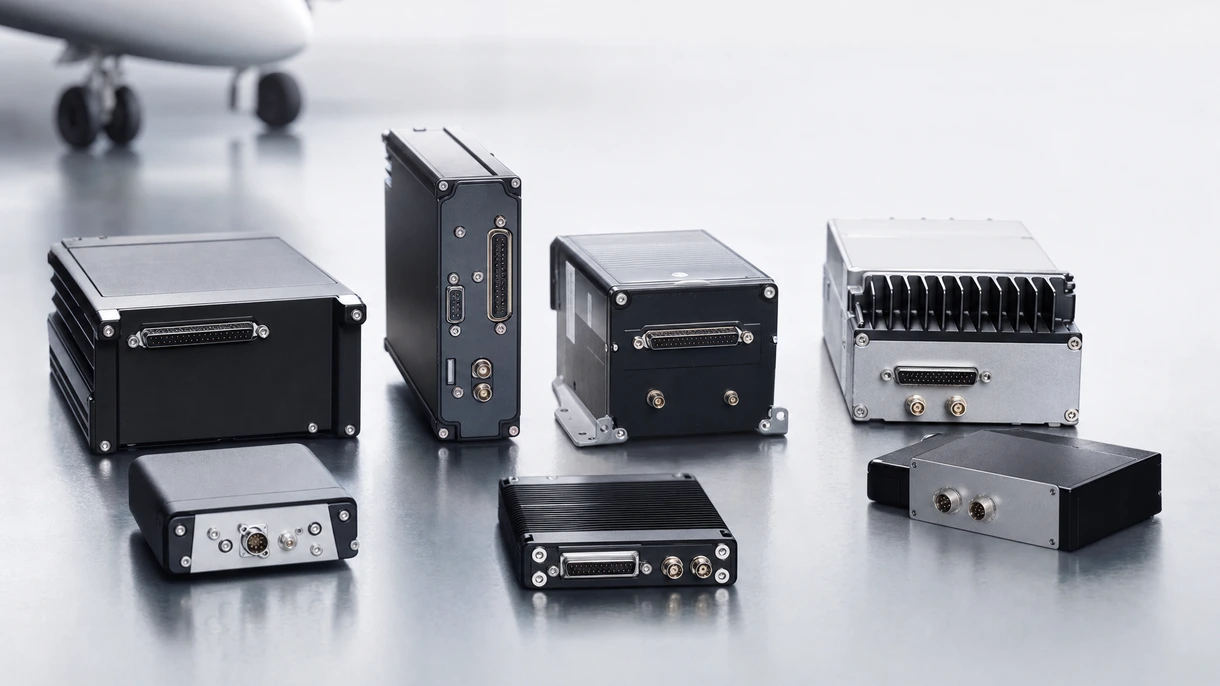
4 Criteria to choose your mode S transponder
ADS-B Out Compliance.
Required for European and American controlled airspace entry to satisfy modern surveillance and traffic management safety regulations for all operators.
Certification Grade Reliability.
Adherence to technical certification standards guarantees airworthiness and long-term traceability within global commercial and defense aviation supply chains.
Antenna Diversity Capability.
Top and bottom antennas ensure continuous signal integrity during maneuvers, which is critical for collision avoidance system functionality and safety.
Transmission Power Class.
Selection between power classes depends on altitude and speed requirements to maintain consistent surveillance radar visibility and operational safety.
Available technologies and advantages
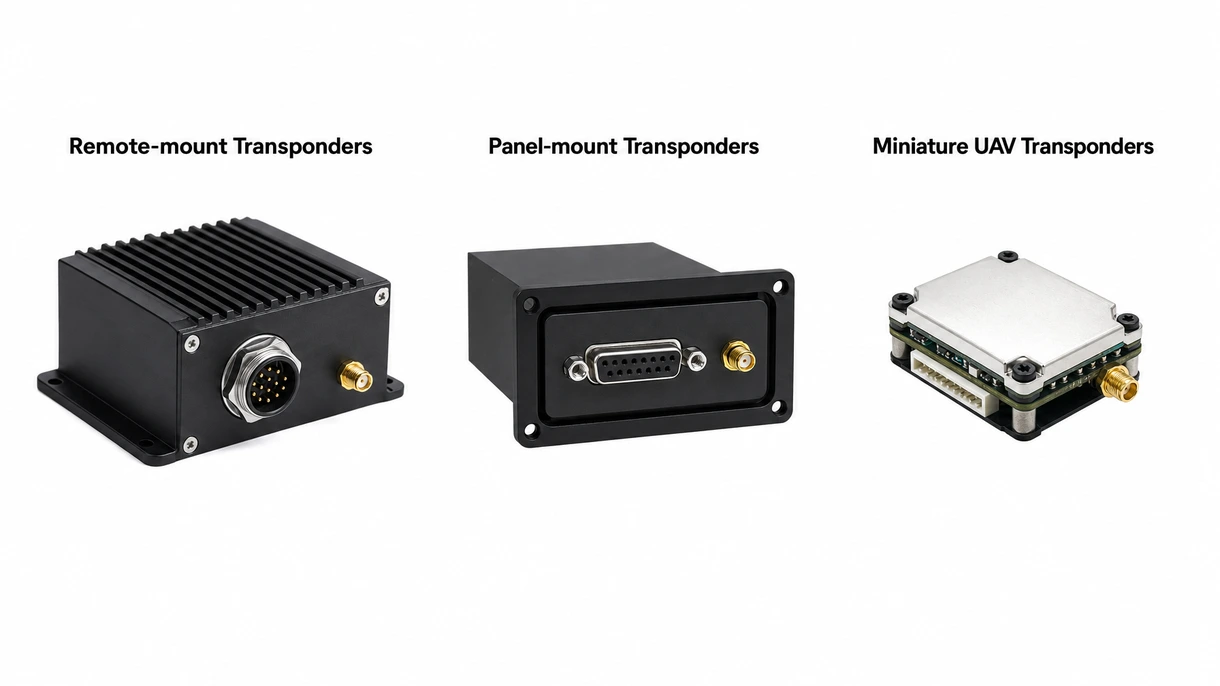
Remote-mount Transponders
provide centralized avionics integration via standard communication protocols, saving valuable cockpit real estate while ensuring high-integrity surveillance. They offer superior weight distribution and maintenance.
Panel-mount Transponders
combine the processing unit and user interface into a single line-replaceable unit for straightforward installation in smaller airframes. These systems offer immediate pilot access.
Miniature UAV Transponders
focus on extreme size and weight optimization for unmanned systems, enabling surveillance visibility in shared airspace. While providing essential awareness, they face range limits.
6 expert tips
units with integrated satellite sources to eliminate latency and ensure seamless surveillance data transmission accuracy across all airspaces. Always verify the technical certification to ensure compliance with local building safety standards and long-term durability.
transponders with Extended Squitter capabilities to meet international mandates for enhanced surveillance in all controlled flight environments. Always verify the technical certification to ensure compliance with local building safety standards and long-term durability.
power consumption levels to prevent overheating in avionics bays and maintain component longevity across high-duty flight operations and cycles. Always verify the technical certification to ensure compliance with local building safety standards and long-term durability.
compatibility with existing Traffic Collision Avoidance Systems to prevent signal interference and ensure reliable resolution advisory performance and safety. Always verify the technical certification to ensure compliance with local building safety standards and long-term durability.
for models featuring modular hardware architectures to allow for future firmware updates as international surveillance standards continue to evolve. Always verify the technical certification to ensure compliance with local building safety standards and long-term durability.
with certified maintenance providers to ensure proper airworthiness documentation and traceable installation records for insurance and aircraft resale. Always verify the technical certification to ensure compliance with local building safety standards and long-term durability.
Innovations and Trends
Technology allows transponders to communicate with satellite constellations, providing global surveillance coverage in oceanic and remote regions.
Reduces thermal signatures and increases power efficiency, allowing for smaller form factors in high-performance military drone applications.
Optimizes the use of active interrogations and passive reception, significantly reducing signal congestion in high-traffic terminal areas.
Enable simultaneous monitoring of multiple frequencies, improving situational awareness for pilots operating in diverse and complex airspaces.
*Prices are pre-tax. They exclude delivery charges and customs duties and do not include additional charges for installation or activation options. Prices are indicative only and may vary by country, with changes to the cost of raw materials and exchange rates.
About AeroExpo
AeroExpo is a marketplace that offers B2B players a complete experience, from product sourcing to purchase. AeroExpo is an entity of VirtualExpo Group.
Are you a buyer?
Are you a supplier?