
- Home page
- buying guide
- training simulator
training simulator
training simulator: A technical guide
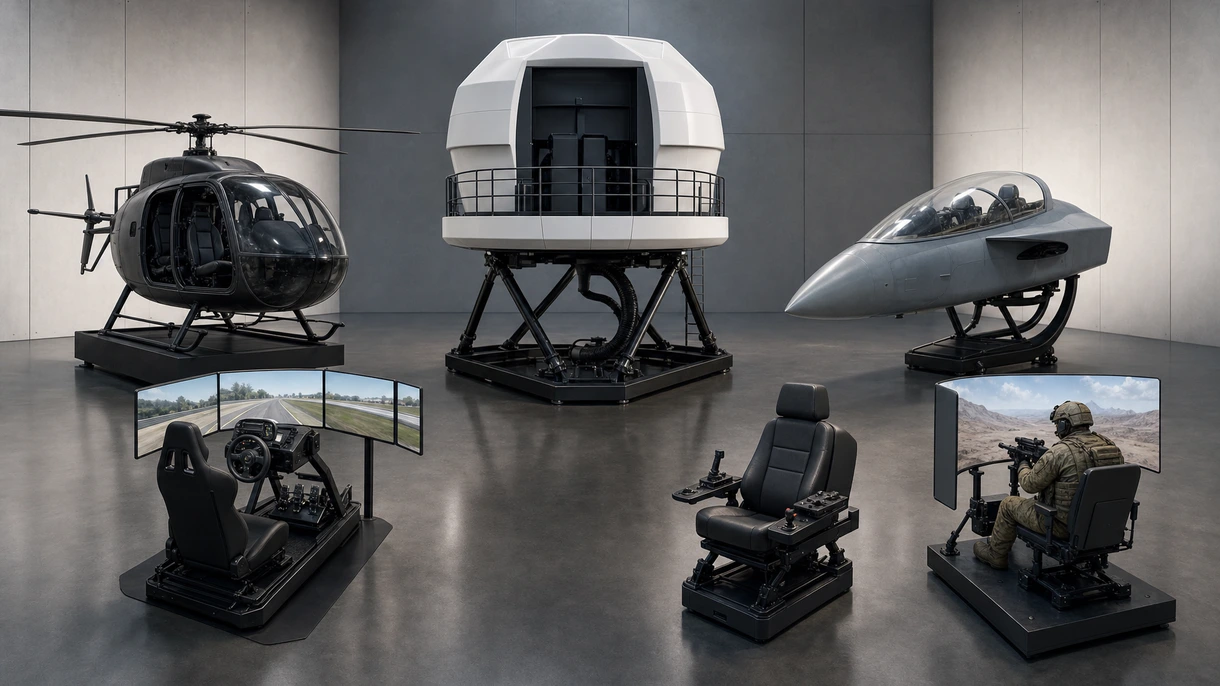
4 Criteria to choose your training simulator
Certification Fidelity Level
Level D compliance ensures pilots earn type ratings without additional aircraft time, maximizing return on high-value equipment investments.
Visual System Latency
Low latency prevents motion sickness and ensures spatial orientation accuracy during high-speed maneuvers or complex carrier landing simulation training.
Life Cycle Support
Continuous software updates and hardware maintenance guarantee long-term availability and alignment with evolving FAA and EASA regulatory standards.
Data Interoperability Standards
Distributed interactive simulation protocols allow cross-platform connectivity for joint tactical exercises between multiple aircraft types and ground stations.
Available technologies and advantages
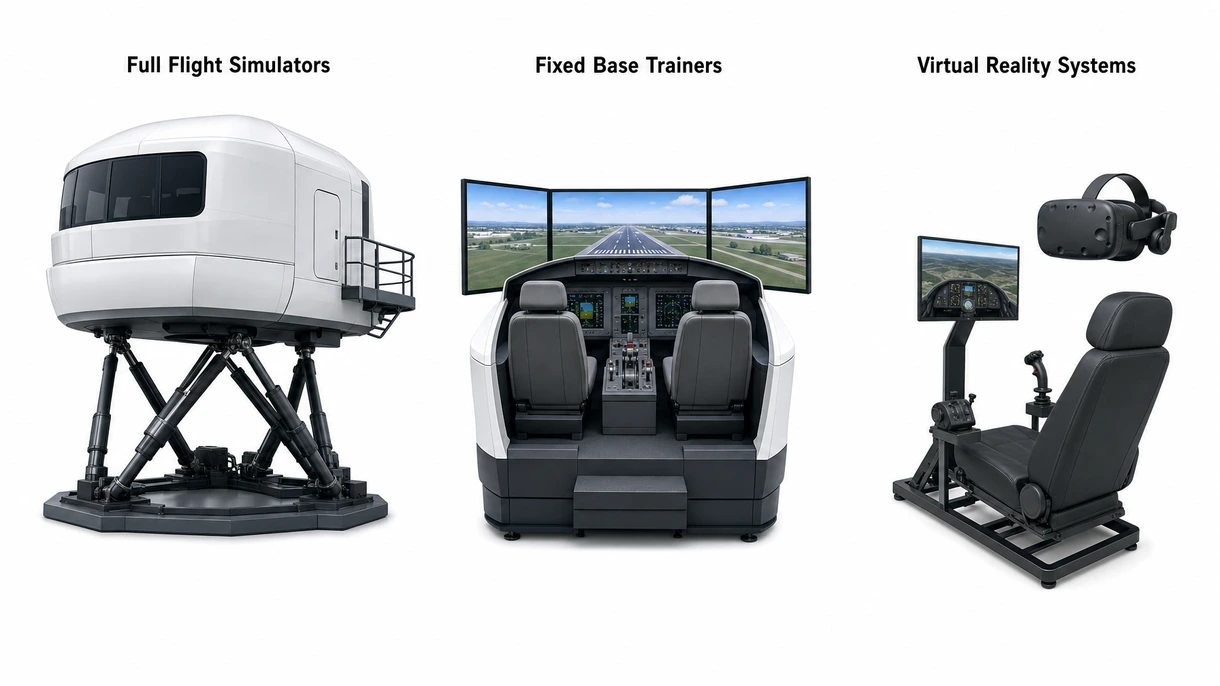
Full Flight Simulators
provide the highest level of motion and visual fidelity required for initial pilot certification and recurrent flight training cycles. Advantages include total immersive environments while high capital costs represent significant trade-offs.
Fixed Base Trainers
utilize actual cockpit components without the hydraulic motion systems to focus on procedure training and cockpit familiarization tasks effectively. These units offer lower costs but lack the vestibular feedback for realistic upset recovery.
Virtual Reality Systems
leverage head-mounted displays to create highly portable and flexible training solutions for maintenance technicians and pre-flight inspections easily. Exceptional cost-efficiency and scalability exist despite limitations regarding tactile feedback and ocular fatigue.
6 expert tips
Prioritize Level D certified full flight simulators to ensure maximum credit for pilot training hours toward regulatory type ratings. Always verify the technical certification to ensure compliance with local building safety standards and long-term durability.
Select modular architectures allowing for frequent software updates that reflect current aircraft fleet configurations and avionics system revisions. Always verify the technical certification to ensure compliance with local building safety standards and long-term durability.
Invest in integrated data analytics packages to track pilot performance metrics against standardized training objectives and safety protocols. Always verify the technical certification to ensure compliance with local building safety standards and long-term durability.
Negotiate comprehensive long-term maintenance contracts including onsite technical support to minimize downtime during critical training surge periods. Always verify the technical certification to ensure compliance with local building safety standards and long-term durability.
Evaluate visual database resolution levels to guarantee realistic ground operations training at specific international airport terminal environments. Always verify the technical certification to ensure compliance with local building safety standards and long-term durability.
Ensure full hardware compatibility with existing fleet avionics to prevent negative training habits caused by cockpit layout discrepancies. Always verify the technical certification to ensure compliance with local building safety standards and long-term durability.
Innovations and Trends
Monitors pilot stress levels and adapts scenario difficulty to optimize learning curves and cognitive workload management.
Allow distributed crew resource management exercises across different geographical locations to reduce travel costs and emissions.
Combines physical controls with digital overlays to enhance maintenance training realism and situational awareness during procedures.
Utilizes eye-tracking and heart-rate sensors to validate pilot readiness and mental focus during critical emergency maneuvers.
*Prices are pre-tax. They exclude delivery charges and customs duties and do not include additional charges for installation or activation options. Prices are indicative only and may vary by country, with changes to the cost of raw materials and exchange rates.
About AeroExpo
AeroExpo is a marketplace that offers B2B players a complete experience, from product sourcing to purchase. AeroExpo is an entity of VirtualExpo Group.
Are you a buyer?
Are you a supplier?