
- Home page
- buying guide
- UHF antenna
UHF antenna
UHF antenna: A technical guide
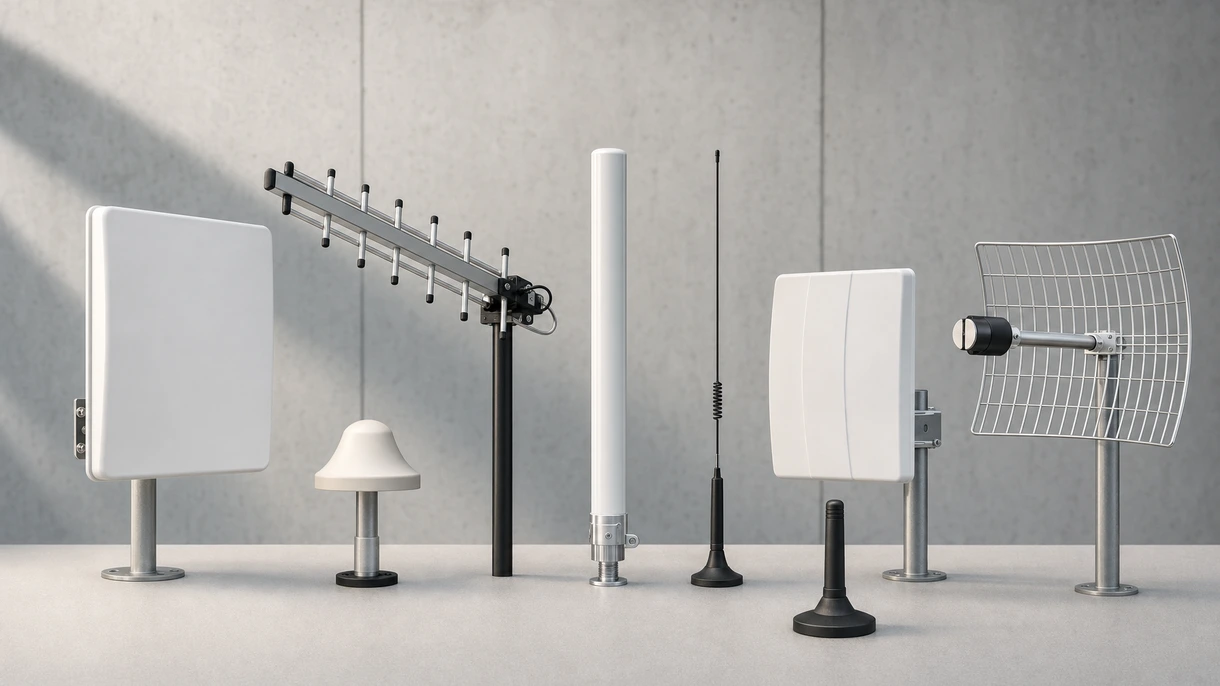
4 Criteria to choose your UHF antenna
TSO certification compliance
Ensuring the hardware meets FAA and EASA standards for airworthiness and legal integration into certified airframe structures.
Aerodynamic drag coefficient
Low-profile blade designs minimize parasitic drag to maintain fuel efficiency and airframe structural integrity during high-speed flight.
Frequency gain stability
Maintaining consistent signal strength across the 300MHz to 3GHz spectrum ensures reliable line-of-sight communication and data link performance.
Environmental lightning protection
Integrated protection against high-intensity radiated fields and lightning strikes is vital for preserving sensitive avionics during severe weather.
Available technologies and advantages
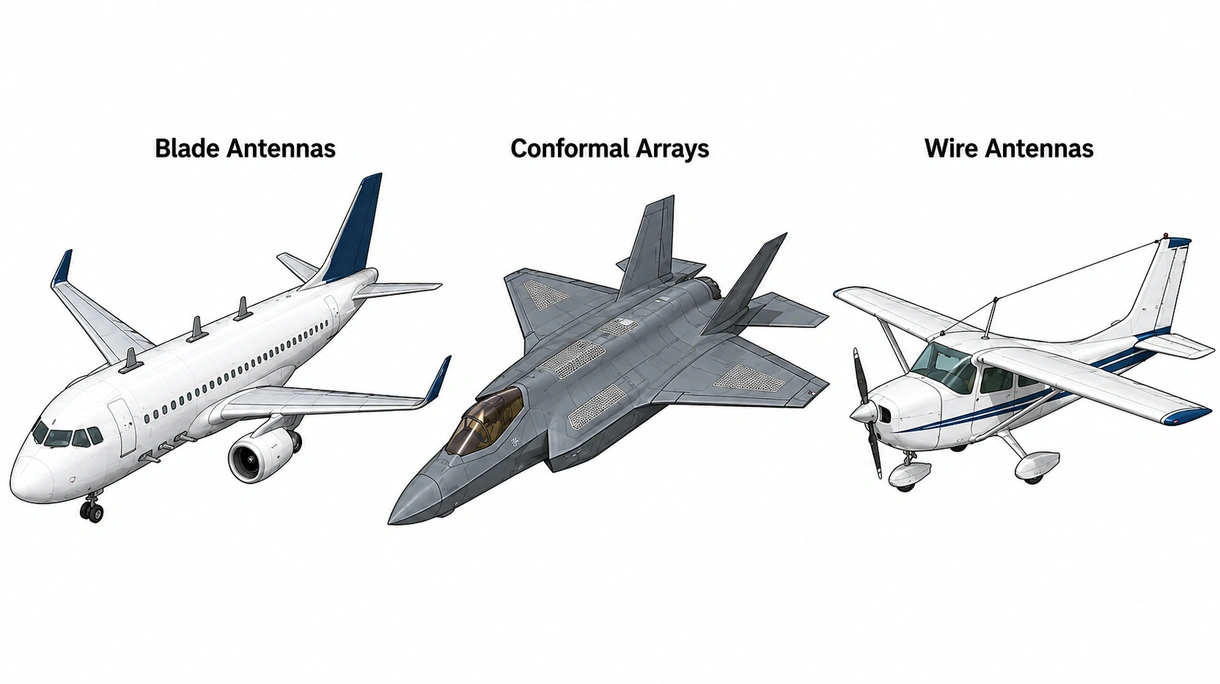
Blade Antennas
provide aerodynamic efficiency for narrow-body aircraft using rigid composite housings to protect internal elements from high-velocity airflow. These offer high durability and standard mounting but increase total airframe drag compared to flush-mounted conformal solutions.
Conformal Arrays
integrate directly into the aircraft skin, eliminating drag while maintaining specific radiation patterns for stealth or high-performance jets. They offer superior aerodynamics but involve complex installation and significantly higher initial engineering and manufacturing costs.
Wire Antennas
utilize simple external tensioned cables for low-speed general aviation aircraft requiring basic communication at minimal cost. They are inexpensive and easy to maintain but suffer from high drag and susceptibility to physical ice damage.
6 expert tips
involves matching TSO-C37 or TSO-C169 standards to ensure seamless integration within European and American regulated airspace.
requires assessing baseplate gaskets to prevent galvanic corrosion between the antenna and the aluminum aircraft skin.
analysis must confirm that UHF placement does not disrupt GPS or Satcom frequency reception during flight.
planning prioritizes antennas with replaceable leading-edge shields to reduce long-term replacement costs from bird strike damage.
selection focuses on TNC or N-type interfaces to ensure vibration-resistant connections in high-G maneuver environments.
assessment requires auditing AS9100 certified manufacturers to guarantee traceability and consistent build quality for every unit. Always verify the technical certification to ensure compliance with local building safety standards and long-term durability.
Innovations and Trends
Allows for complex internal lattice structures reducing weight while maintaining structural strength for drone applications.
Arrays provide beam-steering capabilities for unmanned systems, enhancing link stability during aggressive tactical maneuvers.
Apertures consolidate UHF and L-band frequencies into a single unit, reducing the total airframe antenna count.
Improve lightning strike dissipation and thermal management, significantly extending the operational lifespan of composite antennas.
*Prices are pre-tax. They exclude delivery charges and customs duties and do not include additional charges for installation or activation options. Prices are indicative only and may vary by country, with changes to the cost of raw materials and exchange rates.
About AeroExpo
AeroExpo is a marketplace that offers B2B players a complete experience, from product sourcing to purchase. AeroExpo is an entity of VirtualExpo Group.
Are you a buyer?
Are you a supplier?