
- Home page
- buying guide
- obstruction light
obstruction light
obstruction light: A technical guide
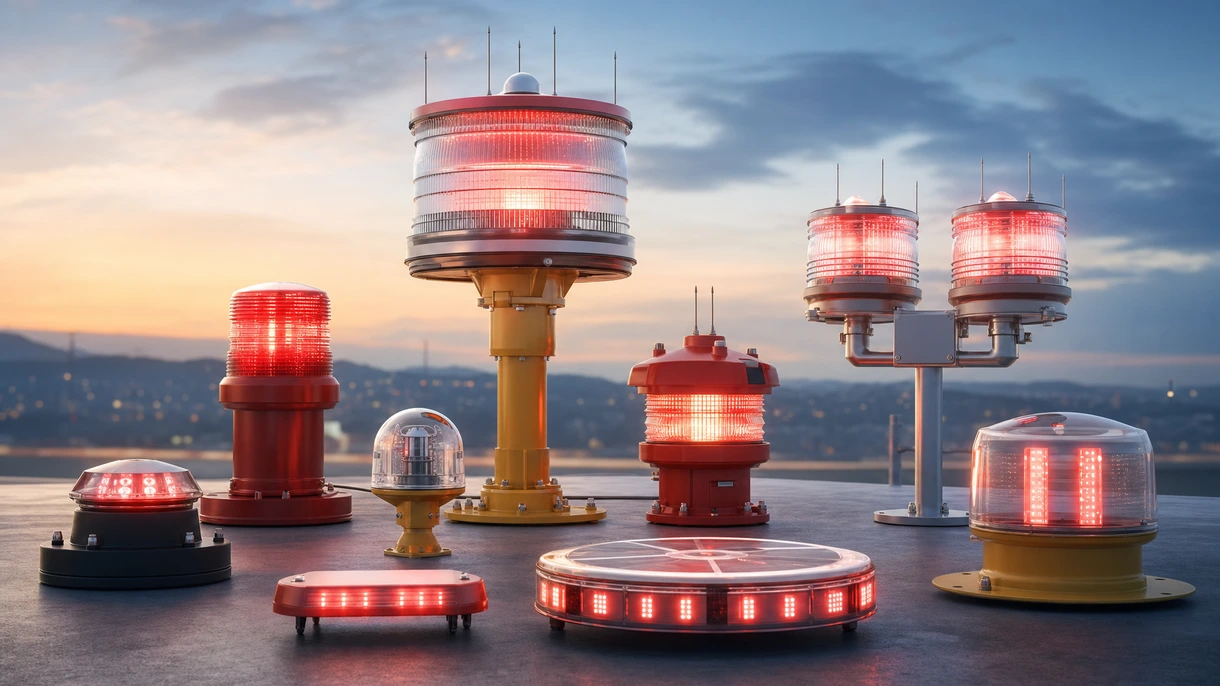
4 Criteria to choose your obstruction light
FAA ICAO Certification Compliance
Ensures legal operation within international airspace regulations to avoid grounding and significant liability risks for infrastructure operators.
Photometric Output Reliability
Guarantees specific candela levels and flash patterns required for pilot visibility in adverse weather or high density urban environments.
Mean Time Between Failure
Dictates maintenance cycles and lifecycle costs for lights installed on high altitude structures with restricted or dangerous access points.
Electromagnetic Compatibility
Prevents critical interference with air navigation signals, radar systems, and communication equipment located near airport perimeters or flight paths.
Available technologies and advantages
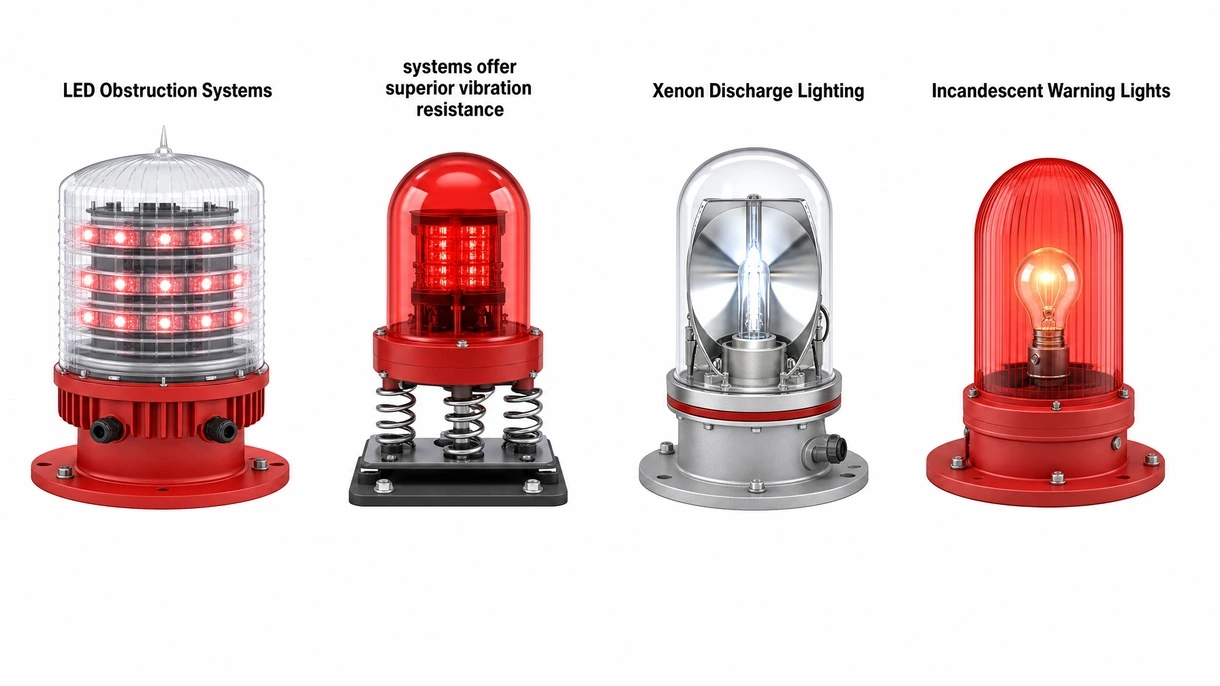
LED Obstruction Systems
The advanced semiconductor technology provides consistent light output with low power draw, outperforming traditional sources in long term longevity and thermal management capabilities.
Operational Analysis
These systems offer superior vibration resistance and lifespan, yet they require sophisticated heat dissipation components and involve higher initial capital procurement costs.
Xenon Discharge Lighting
These high intensity gaseous discharge lamps provide powerful flashes required for effective daytime obstruction marking on tall structures or aerospace pylons.
Operational Analysis
While providing unmatched brightness for daytime visibility, they suffer from high maintenance needs, high voltage requirements, and shorter operational life cycles.
Incandescent Warning Lights
Traditional resistive filament technology primarily serves older installations or temporary marking where low initial procurement cost is the main priority.
Operational Analysis
They are inexpensive and simple to source but remain extremely inefficient, prone to early failure, and demand frequent manual inspections.
6 expert tips
Prioritize lights featuring integrated satellite synchronization to ensure simultaneous flashing across multiple high structures for enhanced pilot situational awareness.
Verify that internal power supplies incorporate surge protection to mitigate damage from lightning strikes on exposed airport infrastructure assets.
Select models with infrared emitters to maintain visibility for pilots operating with night vision goggles during tactical aviation missions.
Ensure housing materials utilize aviation grade borosilicate glass and powder coated aluminum to withstand extreme ultraviolet exposure and corrosive environments.
Analyze the total cost of ownership by weighing lower energy consumption against the higher initial procurement costs of semiconductor lighting.
Always verify the technical certification to ensure compliance with local building safety standards and long-term durability.
Innovations and Trends
Radar sensors activate these lights only when aircraft are nearby, reducing environmental light pollution and energy consumption.
Embedded sensors enable real-time health monitoring and automated failure reporting directly to central airport command and control.
Self contained units with high capacity batteries eliminate the need for expensive cabling on remote taxiways or temporary structures.
These advanced arrays ensure compliance with evolving international standards for both human and machine aided pilot vision systems.
*Prices are pre-tax. They exclude delivery charges and customs duties and do not include additional charges for installation or activation options. Prices are indicative only and may vary by country, with changes to the cost of raw materials and exchange rates.
About AeroExpo
AeroExpo is a marketplace that offers B2B players a complete experience, from product sourcing to purchase. AeroExpo is an entity of VirtualExpo Group.
Are you a buyer?
Are you a supplier?