
- Home page
- buying guide
- tracking software
tracking software
tracking software: A technical guide
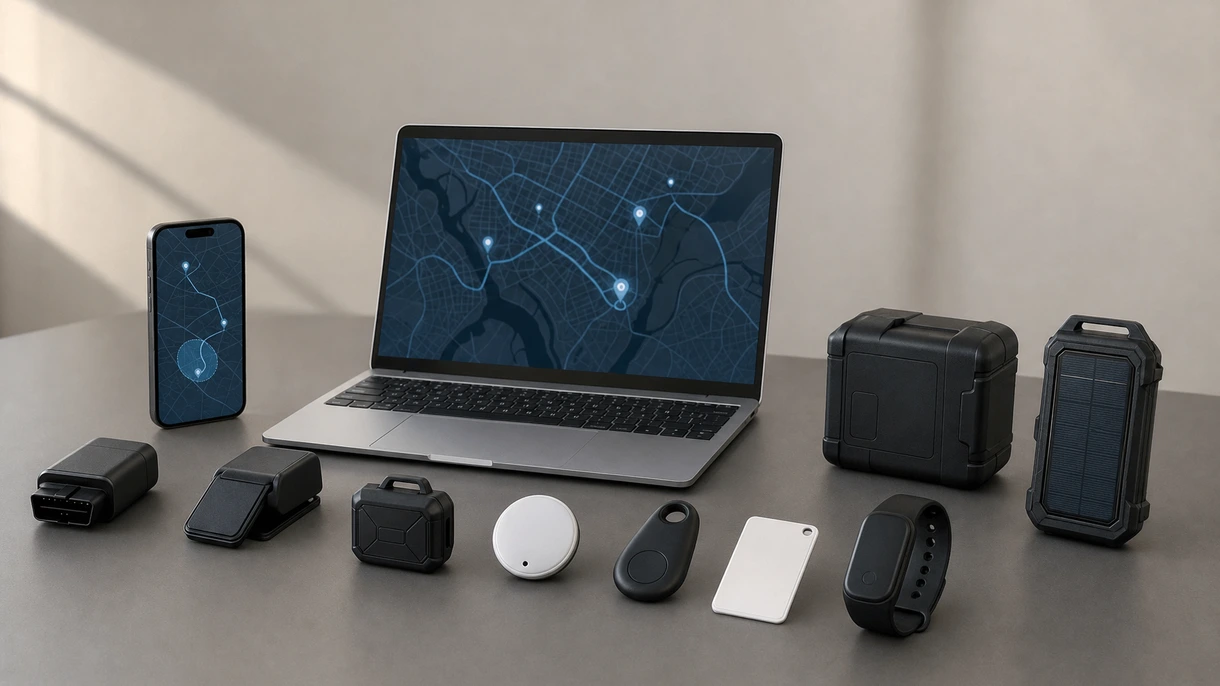
4 Criteria to choose your tracking software
RTCA DO-178C Certification.
This ensures software reliability for airborne systems, meeting critical FAA and EASA airworthiness certification requirements for commercial flight.
AS9100 Traceability Integration.
The system must automate component tracking from manufacturing to installation, ensuring strict adherence to aerospace quality management standards.
Sub-millisecond Latency.
Minimizing data delay is vital for real-time drone telemetry and airport ground support equipment monitoring to prevent accidents.
Secure API Interoperability.
Seamless connection with existing MRO platforms facilitates synchronized supply chain visibility across global aerospace maintenance and production sites.
Available technologies and advantages
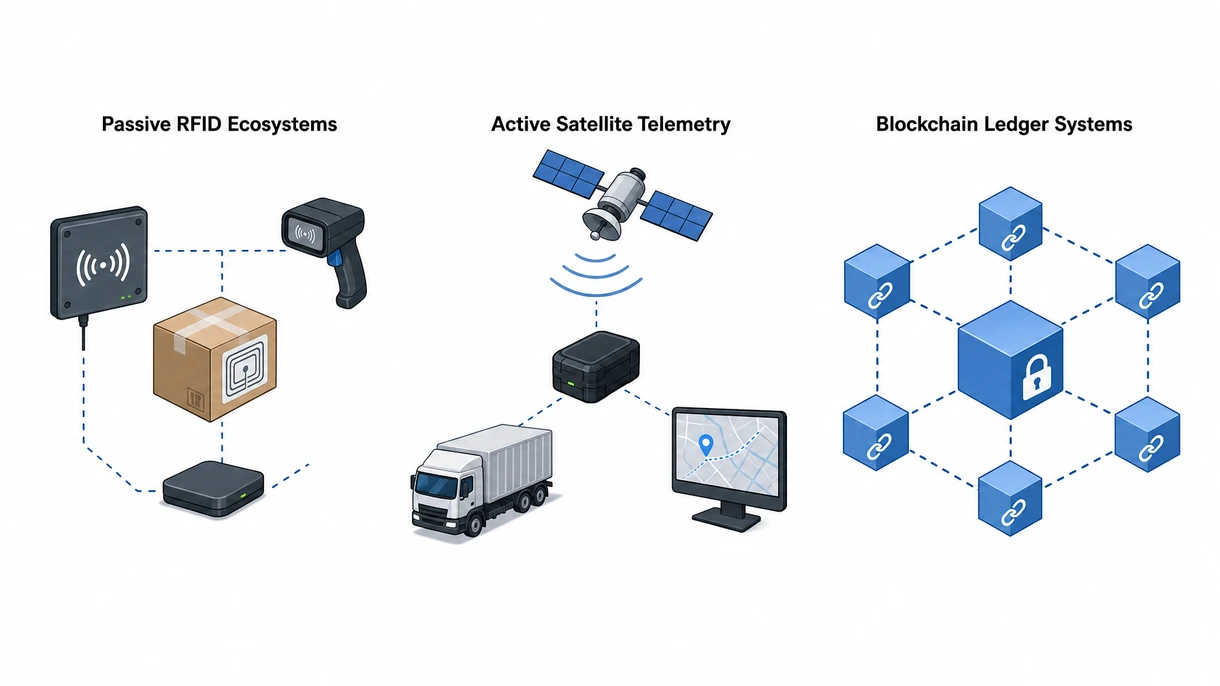
Passive RFID Ecosystems.
These systems utilize electromagnetic fields to identify and track tags attached to aircraft components during inventory audits and maintenance. They offer low-cost implementation for high-volume parts but suffer from range limitations and potential signal interference in metal-heavy airframes.
Active Satellite Telemetry.
This technology leverages global satellite constellations to provide continuous position tracking for long-range unmanned aerial systems and commercial aircraft. While offering global coverage and high reliability, it incurs significant operational costs and requires substantial power for onboard hardware.
Blockchain Ledger Systems.
Distributed ledger technology creates immutable records of component history, ensuring absolute data integrity throughout the entire aerospace supply chain lifecycle. The primary advantage is unforgeable safety records, though high computational requirements and industry-wide standardization hurdles remain significant adoption challenges.
6 expert tips
Prioritize software architectures supporting dual EASA and FAA certifications to ensure global fleet operational versatility and compliance.
Mandate multi-layer encryption protocols to protect sensitive telemetry data against unauthorized access in mission-critical aerospace communication links.
Require seamless integration with existing maintenance systems to automate the tracking of high-value life-limited aircraft components accurately.
Select platforms offering real-time situational awareness for unmanned aerial systems to prevent mid-air collisions in congested controlled airspaces.
Ensure the software provides detailed audit trails for every component move to meet stringent aerospace quality management standards.
Evaluate the scalability of the cloud infrastructure to manage increasing data volumes from next-generation aircraft sensor networks effectively. Always verify the technical certification to ensure compliance with local building safety standards and long-term durability.
Innovations and Trends
Processing telemetry data locally on the aircraft reduces bandwidth demand and enables immediate autonomous decision-making for drone navigation.
New cryptographic layers protect aerospace communication networks against future quantum computing threats, ensuring long-term data security for military applications.
Real-time software updates to digital twins provide precise structural health monitoring, reducing unscheduled maintenance events by twenty percent.
Mandatory integration of Remote ID protocols ensures drone compliance with evolving EASA and FAA regulations for urban airspace integration.
*Prices are pre-tax. They exclude delivery charges and customs duties and do not include additional charges for installation or activation options. Prices are indicative only and may vary by country, with changes to the cost of raw materials and exchange rates.
About AeroExpo
AeroExpo is a marketplace that offers B2B players a complete experience, from product sourcing to purchase. AeroExpo is an entity of VirtualExpo Group.
Are you a buyer?
Are you a supplier?