
- Home page
- buying guide
- lifting platform
lifting platform
lifting platform: A technical guide
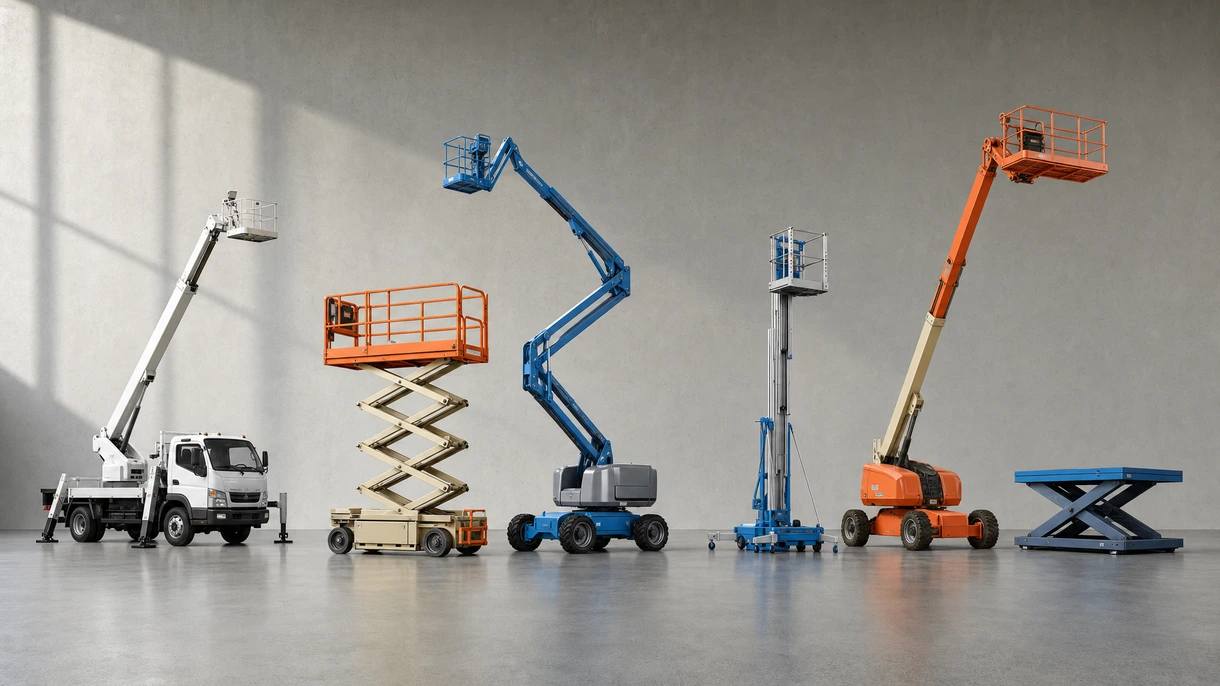
4 Criteria to choose your lifting platform
Aerospace Certification Compliance
Ensures equipment meets stringent European maintenance standards or Federal aviation rules for airworthiness and safety during heavy maintenance operations.
FOD Prevention Design
Specialized non-shredding surfaces and shielded hydraulics prevent debris ingestion into sensitive turbine intakes or hydraulic flight systems.
Variable Height Precision
Fine-tuned vertical movement allows technicians to access composite structures without risking high-velocity impact damage or structural misalignment.
Load Bearing Stability
Robust outriggers and locking mechanisms maintain platform equilibrium under significant dynamic loads during engine or landing gear swaps.
Available technologies and advantages
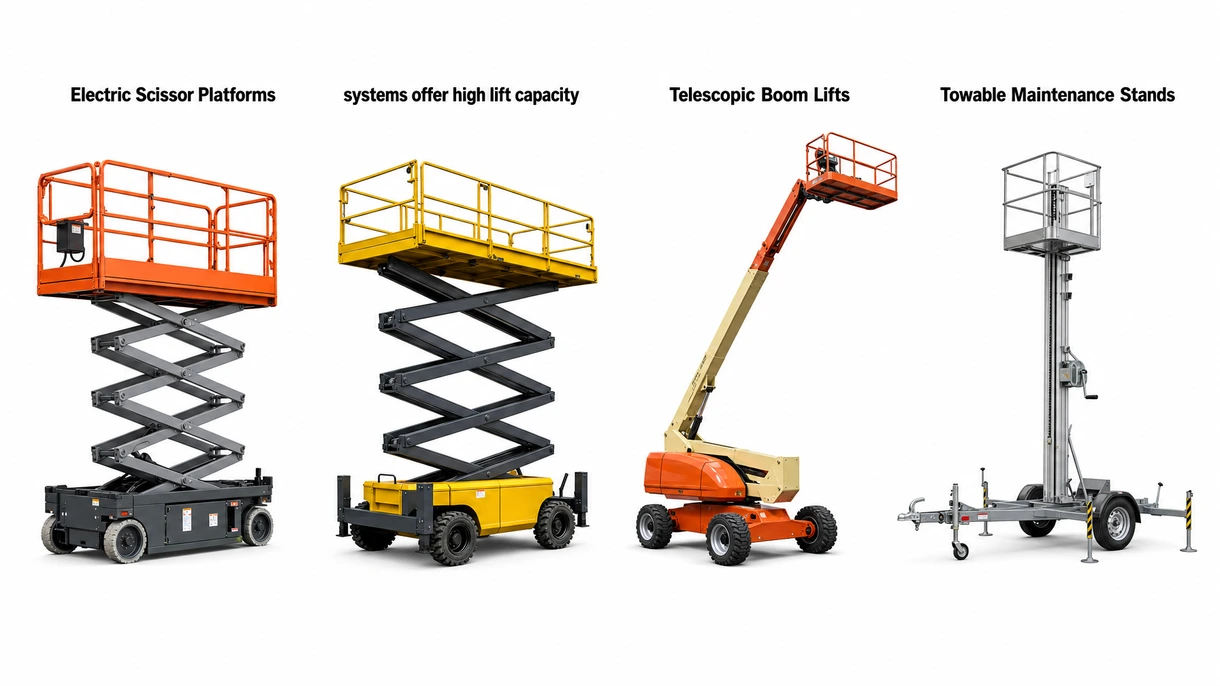
Electric Scissor Platforms
Utilizes lead-acid or lithium batteries for emission-free indoor hangar use, providing stable vertical lift through crisscross mechanical support across the hangar floor.
Operational Trade-offs
These systems offer high lift capacity and platform space but lack the horizontal outreach required for complex over-wing maintenance maneuvers or tail access.
Telescopic Boom Lifts
Features an extendable arm capable of reaching high aircraft empennages or vertical stabilizers with precision and extended outreach during heavy maintenance checks.
Reach Limitations
Provides superior accessibility for elevated tail sections though requires significant hangar floor space and strict weight distribution management to prevent accidental tipping.
Towable Maintenance Stands
Lightweight aluminum structures manually or tug-propelled to provide static access to engines, pylons, and airframe inspection points at remote line stations.
Capacity Constraints
Highly portable and cost-effective for rapid line maintenance but limited by fixed height ranges and significantly lower weight capacities for heavy tool storage.
6 expert tips
Verify that all structural welds and materials possess full traceability documentation conforming to standardized aerospace quality management systems.
Prioritize platforms featuring integrated soft-touch proximity sensors to prevent accidental collisions with expensive composite aircraft skin surfaces.
Select electric drive systems over internal combustion to ensure cleanroom-level air quality within sensitive avionics or paint hangars.
Ensure the lifting mechanism provides millimetric control for precise alignment during the installation of heavy landing gear components.
Confirm the availability of global field service support to minimize operational downtime across international airline hub maintenance networks.
Validate the platform maximum load capacity includes a safety factor exceeding standard safety administration or European industrial requirements. Always verify the technical certification to ensure compliance with local building safety standards and long-term durability.
Innovations and Trends
Integration of laser scanning sensors allows platforms to navigate complex hangar environments without human intervention, reducing ground collision risks.
Real-time telemetry monitoring of hydraulic pressures and battery health optimizes uptime for critical turnaround time sensitive airline operations.
Utilizing carbon-fiber components reduces total equipment weight, enabling easier positioning on weight-sensitive aircraft carrier decks or hangars.
Adoption of hydrogen propulsion provides long-endurance silent operation for remote airport ground support without requiring grid charging.
*Prices are pre-tax. They exclude delivery charges and customs duties and do not include additional charges for installation or activation options. Prices are indicative only and may vary by country, with changes to the cost of raw materials and exchange rates.
About AeroExpo
AeroExpo is a marketplace that offers B2B players a complete experience, from product sourcing to purchase. AeroExpo is an entity of VirtualExpo Group.
Are you a buyer?
Are you a supplier?